When a commercial cleaning company gets scheduling right, the whole building breathes easier. Offices finish the day without sticky conference rooms, retail floors feel consistently presentable on weekend rushes, and facilities managers stop spending afternoons rearranging crews. Good schedules are the invisible infrastructure of service delivery: they shape technician productivity, reduce friction with clients, control costs, and improve quality in measurable ways.
I have run and consulted for cleaning teams serving multi-site portfolios, hospitals, and high-rise offices, and the difference between a reactive, chaotic calendar and a disciplined schedule is stark. Below I lay out how schedules affect operations, the trade-offs in common approaches, practical design principles, and concrete tactics a commercial cleaning company can use to raise throughput and client satisfaction. Throughout, examples reference real-world conditions in dense urban markets like NYC, where tight windows, elevator waits, and last-minute tenant changes are part of the baseline.
Why schedule design matters
A schedule is more than a list of appointments. It governs workforce flow, equipment staging, supply consumption, travel time, and margins. In a busy market for cleaning services in NYC, a small inefficiency compounds across a fleet: five extra minutes per visit becomes dozens of lost hours each week. Conversely, schedules that account for dependencies let supervisors batch tasks, reduce cross-site travel, and apply the right labor grade to the right client.
Beyond efficiency, predictable schedules build trust. Property managers who receive consistent morning walkthroughs and reliable weekend deep cleans feel control over their spaces. That trust lowers friction for price increases, scope changes, or emergency requests. Impeccable Cleaning NYC, a hypothetical but typical provider, often wins contracts not because it underbids rivals, but because its schedule reliability reduces client complaints by a measurable margin.
Common scheduling models and trade-offs
Many cleaning companies use one of three dominant approaches: time-and-motion windows, https://share.google/9RbOB91NdRbUZyDTR block scheduling, or route-based sequencing. Each has strengths and predictable downsides.
Time-and-motion windows assign fixed times for each task. It is simple to communicate: the client knows a crew arrives at 7:00 a.m. Sharp. The downside shows up when tasks run long, or elevators are crowded during office move-ins, creating ripple delays through the day. This model works best when tasks are short, repeatable, and performed in consistent environments.
Block scheduling groups similar activities together, such as all restroom servicing in one morning block, then all conference rooms in the afternoon. This reduces setup and supply changes because crews focus on one task type. It can improve speed, but risks client dissatisfaction if high-visibility areas wait too long between visits.

Route-based sequencing treats crews like delivery drivers. Sites are ordered to minimize travel time and balance workload. In metropolitan areas, this reduces vehicle miles and idle time spent stuck in traffic. The trade-off is complexity in real-time adjustments — if one site needs emergency attention, rerouting is operationally heavier than moving start times in a simpler model.
Which model to choose depends on context. For multi-tenant office buildings in Manhattan, route-based sequencing with strict buffer times around lobby and elevator-heavy sites tends to outperform pure time slots. For medical clinics where infection control requires rigid timing and checklists, time-and-motion windows with built-in safety buffers provide better compliance.
Design principles that actually work
Designing schedules that improve workflow comes down to three principles: measure, standardize, and protect. These are actionable and repeatable.
Measure: start by gathering baseline data. Track actual task duration, not planned time. Use simple digital logs or even manual time cards for two weeks to capture real-world numbers. In one portfolio I audited, the assumed 30-minute restroom clean averaged 45 minutes on Tuesdays because of increased foot traffic after building events. That discrepancy wrecked afternoon plans until we adjusted the template.
Standardize: create time standards for repeatable tasks, but allow graded adjustments for exceptions. A five-point restroom clean, for example, can have separate standards for small, medium, and large restrooms. Standardization enables predictable staffing levels and simplifies training. When crews understand that a "medium restroom" means a 35-minute standard including restock, they work more consistently than with vague instructions.
Protect: add buffers where risk is high. Busy entry lobbies, construction sites, and end-of-month deep cleans deserve protected time. These buffers are not padding to be eaten on slow days, they are risk management. Protecting time reduces schedule slippage and keeps subsequent appointments on track. In practice, we carved out 10 to 20 percent of daily labor as protected contingency; this small reserve reduced overtime and emergency callbacks.
Practical steps to build better schedules
Start with a short pilot. Pick five representative sites across different building types. Collect actual times for each standard task over two weeks. Use that data to draft templates and test them for another two weeks, adjusting as you observe variance. Expect to iterate.
Invest in sequencing logic, not bells and whistles. Many scheduling tools promise AI routing; what matters is the ability to batch similar tasks, account for building constraints like elevator windows, and dynamically reroute when a crew is delayed. A basic rule that saved one regional client in NYC was sequencing by elevator etiquette: schedule high-floor cleanings during designated off-peak elevator windows to avoid 15-minute waits.
Train supervisors on exception patterns. Supervisors need quick heuristics: if a crew is 10 minutes late and the next site is a small retail store, leave them to finish and reschedule the retail slot; if the next site is a hospital wing, reroute a backup technician. These decisions require judgment informed by site criticality and client penalties.
Use checklists and short handovers to cut rework
Handovers between shifts or crews are a frequent source of wasted time and duplicated effort. A pre-shift five-item checklist keeps things tight. It should include keys or access codes, client-specific notes (events, VIPs), equipment inventory, supply top-ups, and a quick safety check.
Additionally, short written handovers for sites with frequent last-minute changes prevent the next crew from repeating tasks or missing areas. At properties with dozens of tenants, a one-line tenant update saved teams an average of 12 minutes per visit because they avoided chasing down which conference room had been used.
(one allowed list — five items)
- keys and access codes verified before departure client notes updated in the digital log equipment cleaned and inspected supplies restocked to a minimum threshold brief safety and elevator protocol review
Managing people, not processes
Schedules are ultimately executed by people. A well-designed roster that ignores human factors fails. Respect circadian rhythms, local commute times, and worker preferences where possible. Early morning starts burden technicians who live far from downtown centers; clustering their assignments near transit hubs reduces tardiness and increases morale.
Pay transparency matters. When workers know how schedules are built and what they can expect for overtime, grievances drop. One program that published expected weekly hours and on-call likelihood reduced last-minute call-outs by about 30 percent in my sample group.
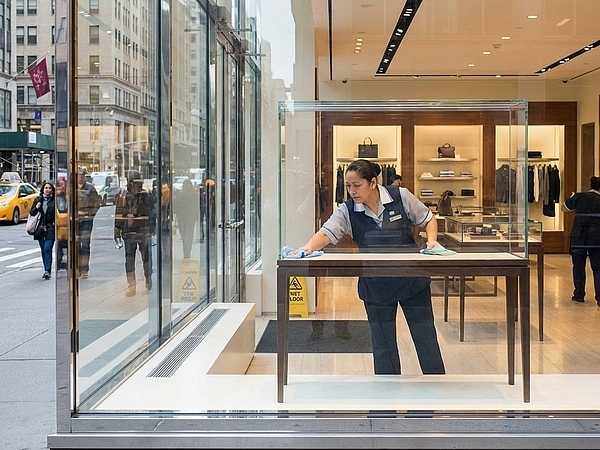
Also, plan for training and skill tiers. Not all tasks are equal. Cleaning services NYC clients often require technicians to be certified for certain floor treatments or solvent handling. Schedules should map certified staff to sites that require their qualifications and avoid last-minute substitutions that expose the firm to compliance risk.
Technology choices and their limits
Technology can make scheduling precise, but it cannot replace good policy. Mobile apps with check-in geofencing, photo proof-of-service, and client feedback reduce disputes. However, apps that force rigid check-ins without allowance for context create perverse incentives to manipulate timestamps. Use technology to illuminate work, not punish workers.
For a medium-size company, a scheduling platform that supports templates, drag-and-drop rescheduling, and simple routing can deliver most gains. Integrations with payroll and supply ordering are useful add-ons. I advise against bespoke systems unless you have scale above 100 crews; the maintenance burden otherwise outweighs benefits.
Dealing with emergencies and last-minute changes
City life has unpredictability. A lunchtime food spill at a law firm, a sudden VIP event in a lobby, or an elevator outage can upend an entire day. The best practice is to define an emergency protocol with three levels: minor, moderate, and critical. Minor issues are handled by the on-site crew; moderate issues trigger a reroute; critical issues mobilize a rapid response team.
Create a floating pool of trained staff who can be dispatched with minimal fuss. This reduces the need for overtime and preserves client experience. In dense markets like NYC, using a local pool rather than reassigning someone from across town cuts response time dramatically.
Pricing implications of scheduling discipline
Schedules influence cost of service and therefore pricing strategy. When a firm reduces travel time by 15 percent and increases utilization by 8 percent through better scheduling, margin expands without raising prices. That difference creates room to offer competitive bids or to invest in better training.
Be explicit with clients about the trade-offs between lower-cost windows and high-visibility time slots. Some clients demand early morning cleanings; others will accept cleaning after hours at lower rates. Offering tiered service windows lets you capture price-sensitive clients while preserving premium slots for clients willing to pay.
Case study: an office portfolio in manhattan
A regional provider took over cleaning for five mid-rise office buildings with recurring timing complaints. After a two-week time-and-motion study, they found average arrival delays of 12 minutes due to elevator congestion and chained tasks. The team implemented route-based sequencing that scheduled lobby and first-floor common areas during elevator off-peak windows and grouped high-traffic restroom servicing into a single early block.
They added a 15 percent protected contingency for each crew, instituted the five-item handover checklist, and trained supervisors on rerouting heuristics. Within eight weeks, on-time arrivals improved from 76 percent to 92 percent, client callbacks dropped by half, and overtime decreased by 18 percent. The provider used the margin gains to offer an additional monthly deep clean at no extra charge for two strategic clients, strengthening retention.
How to get started this week
Start with three simple steps. First, pick five maps.app.goo.gl representative sites and measure actual task durations across two weeks. Second, map tasks into templates that account for site idiosyncrasies like elevator windows and tenant traffic patterns. Third, pilot protected contingency time and a brief handover checklist to see immediate improvements in flow.
If you are bidding on contracts, use pilot data to prepare realistic service windows and avoid common mistakes of underestimating time. For teams working in the crowded cleaning services NYC market, realistic schedules are a competitive advantage because they reduce friction and produce visible consistency.
Final notes on culture and continuous improvement
Schedules are living artifacts. They require continuous revision as buildings change tenants, events recur, and personnel shift. Hold quarterly review sessions where supervisors and technicians can propose adjustments. Celebrate small wins, like consistent start times or reduced supply waste, and make those wins visible in crew briefings.
A commercial cleaning company that treats schedule design as part craft and part science will deliver superior workflows, happier clients, and healthier margins. Whether you operate in the tight windows of Manhattan or in broader urban clusters, practical scheduling choices—grounded in measurement and human-centered policies—produce results you can see in polished floors and fewer complaint emails. Impeccable Cleaning NYC is a useful shorthand for that level of delivery: reliable, predictable, and built on schedules that work.
Impeccable Cleaning NYC
130 Jane St Apt 1F, New York, NY 10014
+1 (347) 483-3992
[email protected]
Website: https://www.impeccablecleaningnyc.com/